SHEARWATER'S SUSTAINABLE MOUNTAIN
WELCOME TO THE AZORES, THIS DESTINATION IS A HOME.
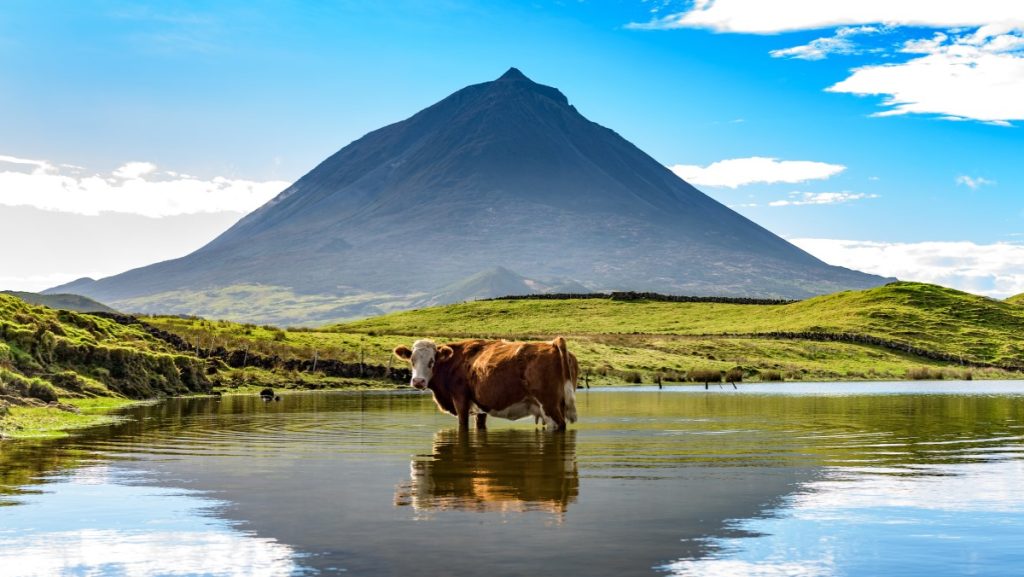
A visit to an ecosystem is much more than strolling through a nature reserve; it’s about sharing space with a real, dynamic community where people have settled for many years, cohabiting the “Terreiro da Vida” (Field of Life).
The vitality and tenacity of the Azorean community, whether islanders or in the diaspora, more than any apology for insular parochialism, emerge from the need to maintain strong ties among themselves, respecting the rules of Nature and preserving an insular identity that can well be represented by the bird – the Cory’s Shearwater.
However, we face challenges of deterioration of these ecosystems, far beyond the environmental aspect, caused by excessive visitation.
There is no such thing as sustainable tourism!
Tourism has always been and always will be an extractive activity, competing for the use of basic resources and the best spaces in each land…
Yes, but tourists bring wealth! But how will it be distributed? Has it generated an increase in the quality of life that existed before?
Are there other non-monetary or directly marketable assets that should be economically accounted for?
If a tradable good or service increases the calculation of the Region’s GDP, but at the same time raises restrictions on access to basic necessities, be it public space for use, water, fishing resources, a seat on an airplane, or the simple right to rest and relaxation, we enter into a conflict of interests that generates a very considerable economic loss for the inhabitants, from the moment these needs cease to be met.
The advocacy of continuous growth (in overnight stays, landings, etc.) does not respect the most basic rules of nature, while not allowing for pause or recovery, which have always guided anthropological practices, particularly in agriculture, where only the rest of the soil and the land allowed for continued harvests.
The damage that excessive tourism promotion is causing to the people of the Azores far outweighs the discomfort some feel upon reading these words…
What are the limits of a common good (which is not measured in euros but in quality of life) when the experience of excessive visitation disturbs both residents and visitors?
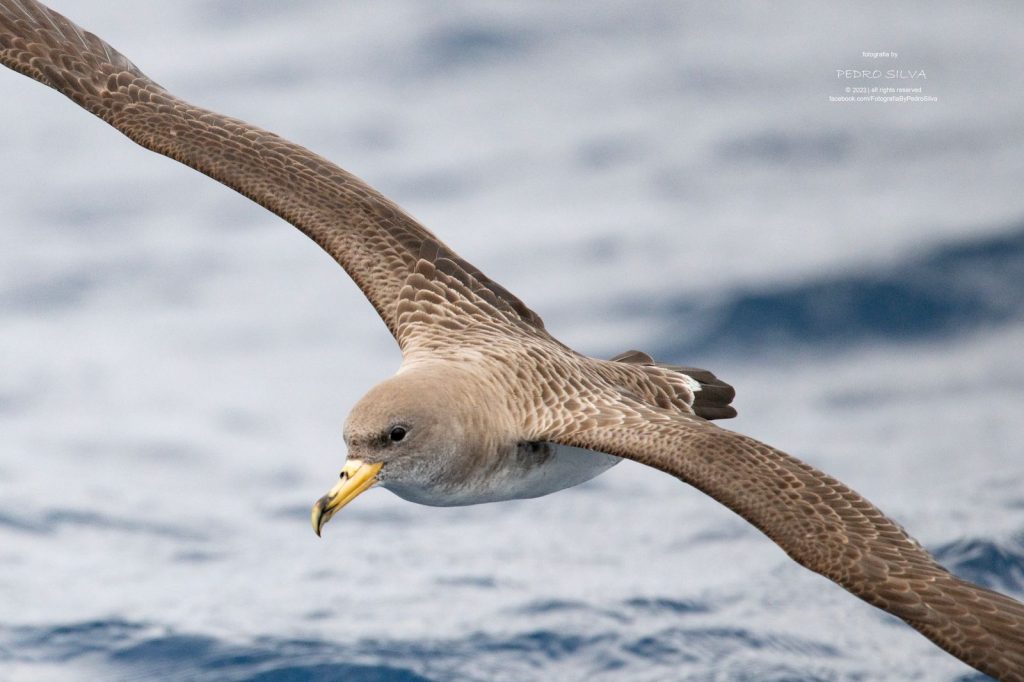
Cory’s Shearwater is extremely faithful to its nesting site and returns annually to the colony from which it emerged, repeating not only the mating location but also the partner, resulting in a single egg. For at least 6 months – equivalent to many years in a human’s life – he is fed by both parents. He will eat and drink, learn to listen and to sing in birds’ philharmonics, and wait for better flying weather , as he avoids rats hidden in the holes left open by volcanoes.
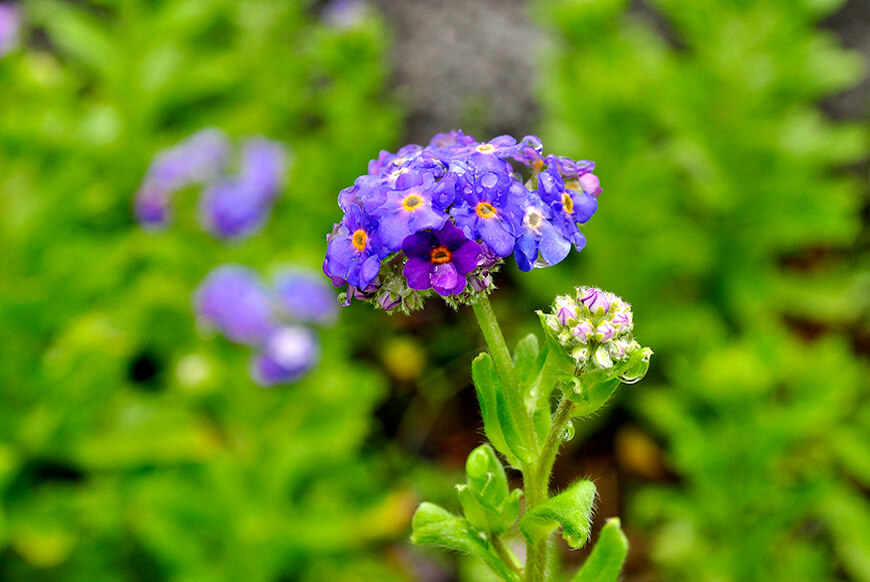
Shearwater’s Sustainable Mountain is a registered trademark assigned to investigate and share environmental, ecological and social information, with the final aim of raising awareness, among residents and visitors in the Azores, of the importance of better understanding the limits of commercial exploitation of ecosystems and reflecting on the paradoxes of Sustainability.
A home for many species of animals and plants,
from Calonectris borealis to the ubiquitous human being.
Come and learn about sustainability.
Shearwater’s Sustainable Mountain is a registered trademark assigned to investigate and share environmental, ecological and social information, which aims to contribute to critical reflection on the theme of sustainability, as opposed to its systematic use as a guarantee of good commercial exploitation practices.
At a time of climate emergency, it is more important than ever to ensure that ESG metrics for protection and sustainable balance (commonly known as Environmental Social and Governance) are sufficiently robust and debated so that continuity, durability and commitment to the future of populations and the planet can truly be guaranteed.
In the Azores, become a Shearwater
REFLECTIONS
Calonectris borealis, commonly known as “Cagarro” to the islanders, describes with his open wings a life trajectory similar to that of many Azoreans, choosing with closed eyes a remote, salt-seasoned location to live or to give birth to their young, throughout several cycles of birth, rooting, and preparation for migratory epic journey. A year later, he returns home, to the same place, with the same friends or partners, faithful to the lava floor that once saw his birth, prepared for the renewal of the cycle of Life.
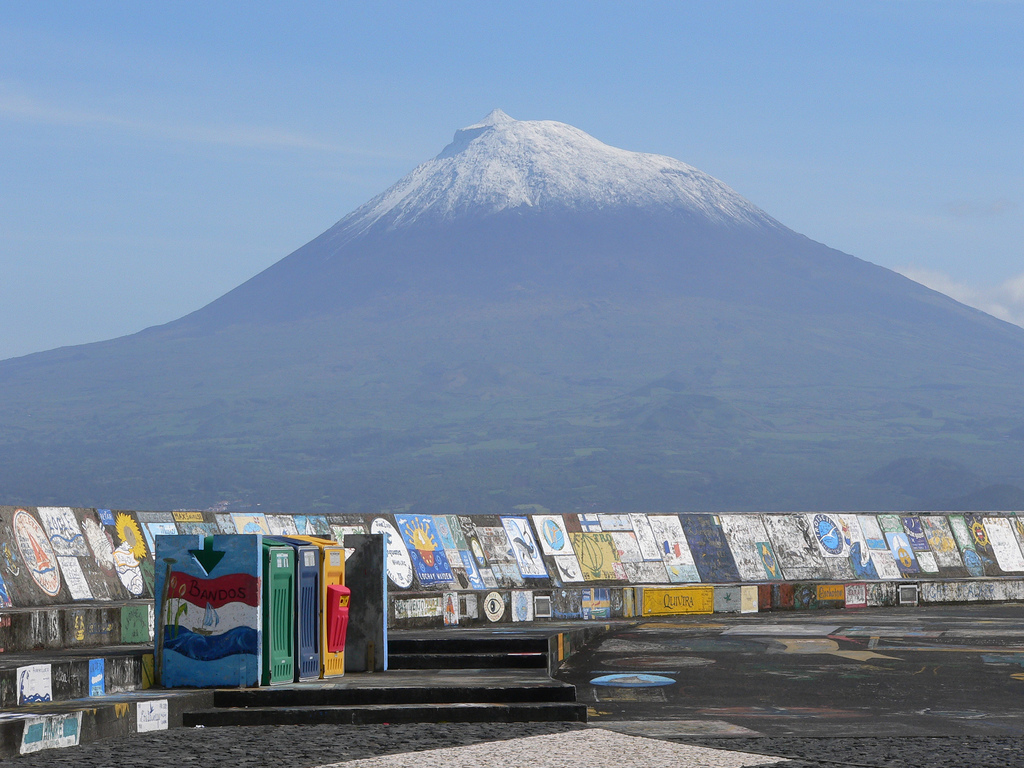
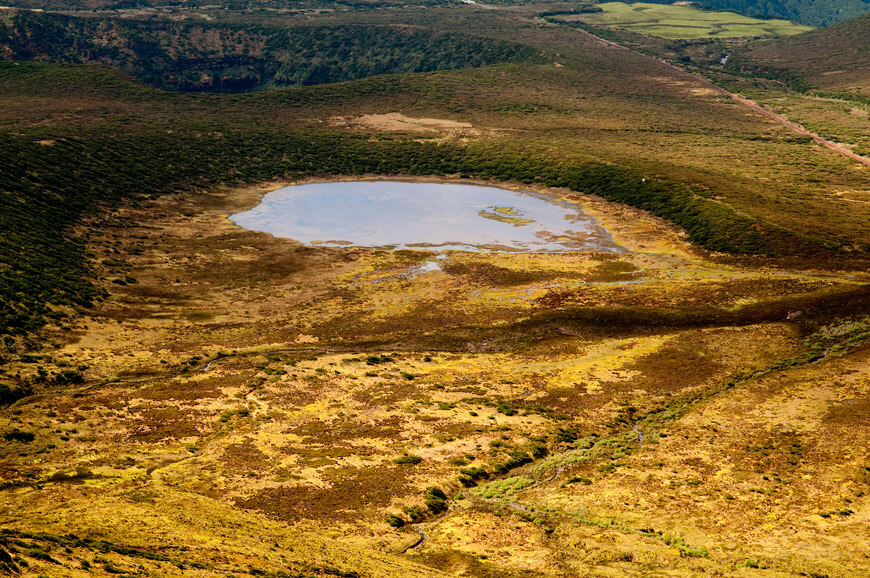
The establishment of a museum, natural park, biosphere reserve (the latter two created without human intervention or merit) or any attraction open to visitors generates an increased flow or gradient of traffic, as is expected and desirable…
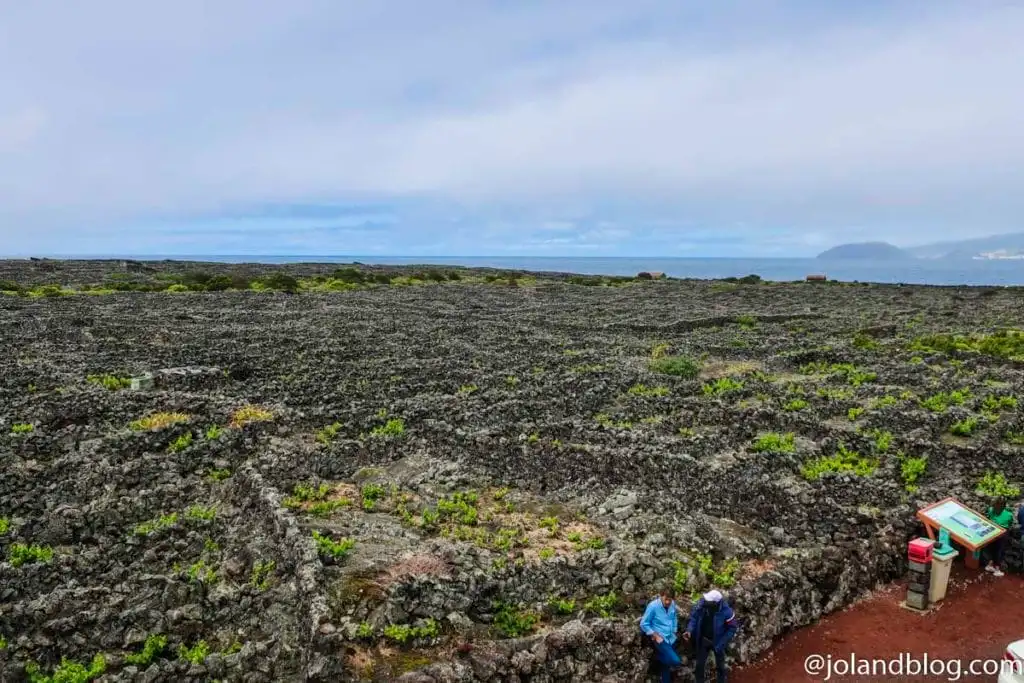
The design and planning of traffic channels and their load capacity is essential in areas of intense beauty and natural wealth…
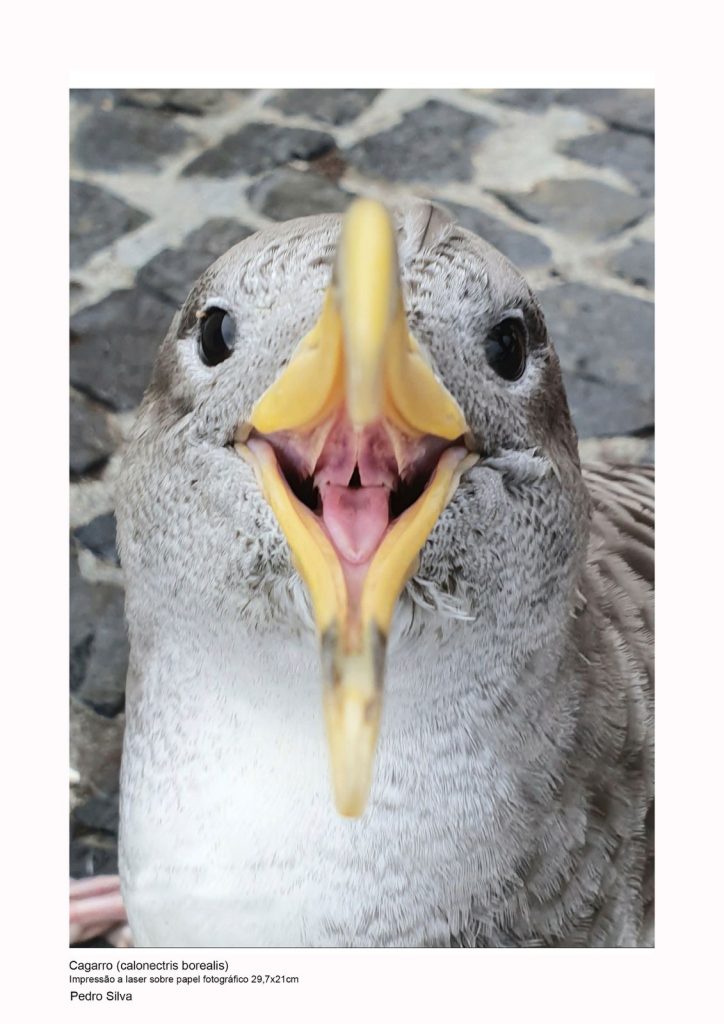
How long does it take for a shearwater to learn to fly?
You have to be, remain, repeat, wait, belong to a place…
How many ox cart journeys does it take to wear down a stone?
Still in childhood and youth, he discovers his first flights in a tenacious and persistent way, while they call him offspring… until he learned to fly alone, alongside friends, neighbors, family members with dry throats for each farewell… along the coast, venturing out over so much sea… to another island, continent, diaspora or ‘in the courtyard of life, where dinner serves as supper.’
At the end of the day, sweaty and calloused, they were still given a bunch of organic incense to eat because they had no other. Very organic and very natural incense. For them, it was just a piece of cake and cheese, with a sip of unlabelled wine. You did well to remove the label, José. I also removed the label from mine, otherwise I wouldn’t have been able to get hold of any.
What is the maximum number of visitors that Pico Island can receive per day, per month, per km² of visitable area, and per inhabitant?
The recent regional concern about the slight decrease in passengers disembarking in the Azores region in the first half of the year needs, first and foremost, to be analyzed in
Building a 172-bed hotel in the heart of Pico’s protected vineyard landscape
Pico Island is becoming increasingly lighter and more sustainable, to the point that it has allowed a favourable EIA for the construction of a 172-bed hotel in the heart of